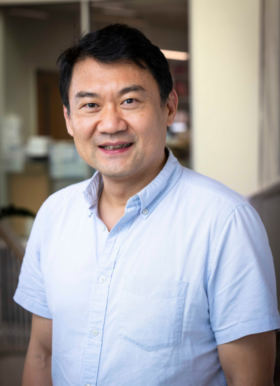
Ting Wang, PhD
The Sanford and Karen Loewentheil Distinguished Professor of Medicine and Head, Department of Genetics
- Email: twang@nospam.wustl.edu
Wang Lab | Google Scholar Profile
Bio
Ting Wang is the inaugural Sanford C. and Karen P. Loewentheil Distinguished Professor of Medicine at Washington University School of Medicine in St. Louis. Wang received his undergraduate degree from Peking University in Beijing, China in 1997. He obtained a PhD in Computational Biology from Washington University, and was a Helen Hay Whitney Fellow at University of California Santa Cruz, before returning to Washington University to start his own lab in the Department of Genetics and the Center for Genome Sciences and Systems Biology.
An internationally recognized geneticist for genetic and epigenetic impact of transposable element (TE) on gene regulation, Ting Wang and his group are known for defining the widespread contribution of TEs to the evolution of species-specific gene regulatory networks as well as to the conservation of 3D genome architecture, and for revealing that epigenetic dysregulation of TEs is a major mechanism driving oncogenesis.
The Wang Lab investigates epigenetic determinants of cell fates in normal development and regeneration, in cancer, and in evolution, by integrating cutting-edge experimental and computational technologies. His lab developed widely-used DNA methylomics technologies, algorithms to identify regulatory motifs and modules, and analytical and visualization tools to integrate large genomic and epigenomic data. His lab is home to the WashU Epigenome Browser, utilized by investigators around the world to access hundreds of thousands of genomic datasets generated by large Consortia including the NIH Roadmap Epigenome Project, ENCODE Project, 4D Nucleome Project, and TaRGET Project. Dr. Wang currently directs the NIEHS Environmental Epigenomics Data Center, the Human Pangenome Reference Consortium, the IGVF Data Administrative and Coordination Center, the SMaHT Network Organization Center and Genome Characterization Center, and the Multi-Omics for Health and Diseases Data Production Center.
Research
Our research is to understand the evolution and adaption of human regulatory networks, with a focus on the impact of these processes on human health and disease. In particular, we investigate the evolutionary model of mobile elements (or transposable elements) and their roles in basic biology and cancer, including their genetic and epigenetic regulation.
We use integrative and systems methods. We develop statistical and computational algorithms to explore the human genome, to integrate cross-species comparative and high-throughput genomics data. We test our hypothesis and validate our predictions in the wet lab.
Our interests span areas of genomics, epigenomics, evolution, computation, systems biology and many more. We also have a general interest in large data integration and visualization, including developing genome and genomics browsers, and developing tools for analyzing high-throughput genomics data, including next-gen sequencing data.
Latest News
Turan Tufan, PhD, Receives Prestigious Helen Hay Whitney Fellowship
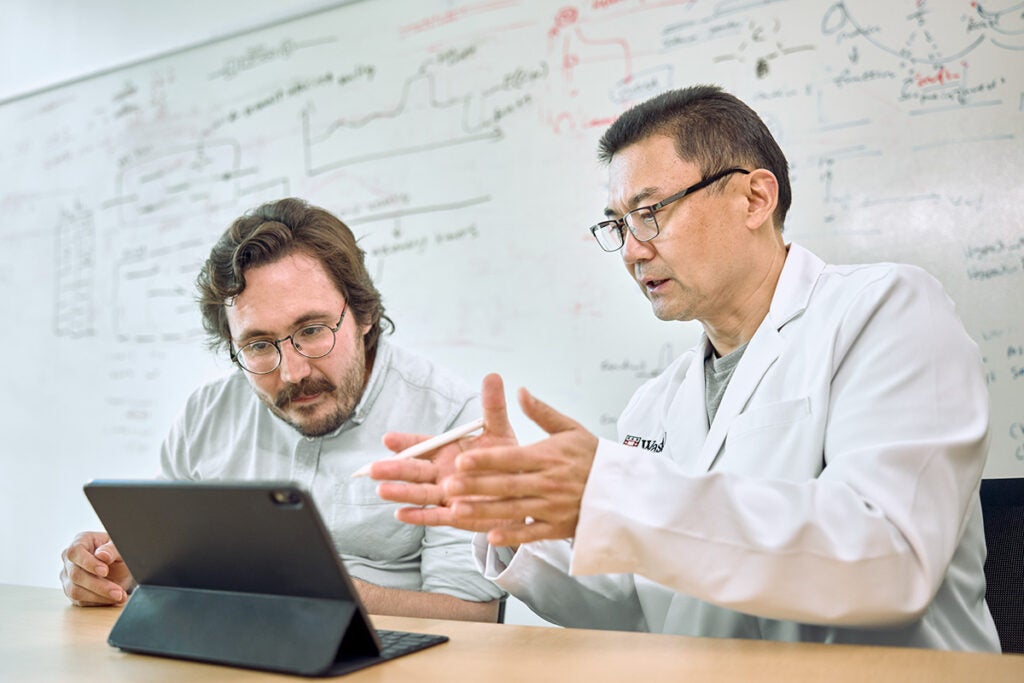
WashU Medicine’s fellow-to-faculty programs nurture growth of talented early-career scientists (Links to an external site)
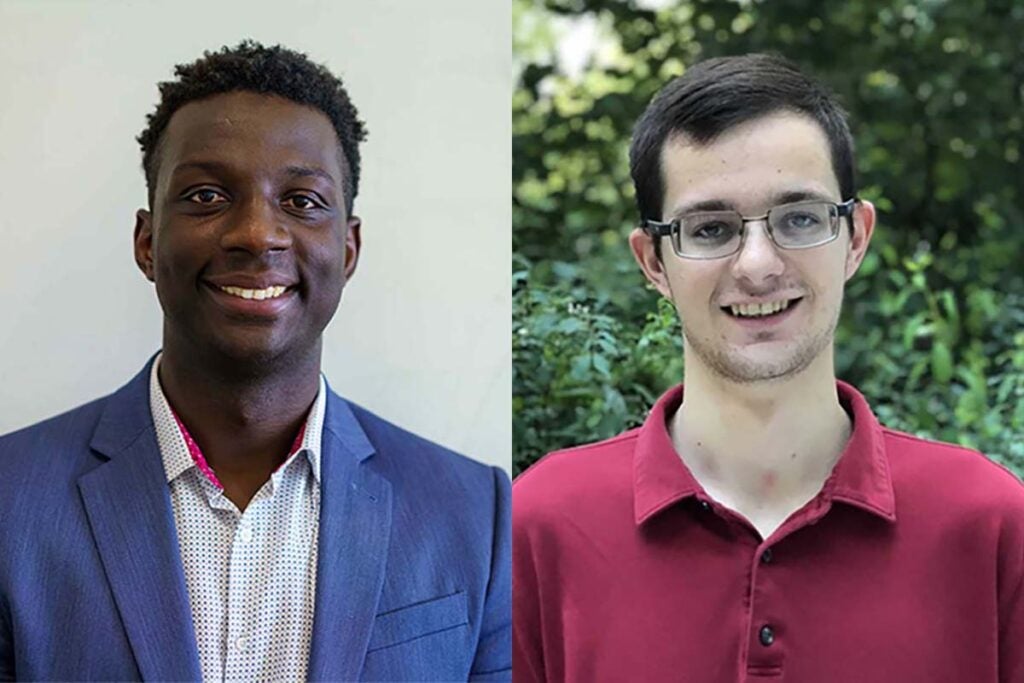
Saintilnord, Reynolds named exceptional early-career research fellows (Links to an external site)

$14 million supports work to diversify human genome research (Links to an external site)