
Below we are going to delve into Anjali Yadav’s background, hobbies and research aspirations.
What are you investigating?
In our lab, we study how metabolism affects epigenetic regulation of gene expression in the brain, particularly in the context of substance use disorders, development, and neurodegeneration. My project specifically focuses on understanding how alcohol-derived acetate influences gene expression through epigenetic and transcriptional changes. I am particularly interested in how these changes contribute to the motivational and consummatory aspects of alcohol drinking. What is especially exciting to me is exploring how these molecular changes vary across different brain cell types. This work really bridges molecular biology with behavior, and it has the potential to uncover mechanisms that could be relevant not just for addiction, but also for neurodegenerative diseases
What are possible applications for your research?
Alcohol Use Disorder (AUD) is something that impacts a lot of lives and continues to be a major public health concern. My research looks at how metabolic and epigenetic processes in the brain contribute to AUD. By identifying the specific pathways that are altered by alcohol and its metabolites, we hope to find potential targets for future therapies. The long-term goal is that this work could help guide the development of treatments that are more precise and effective for people struggling with AUD.
What are your hobbies outside of research?
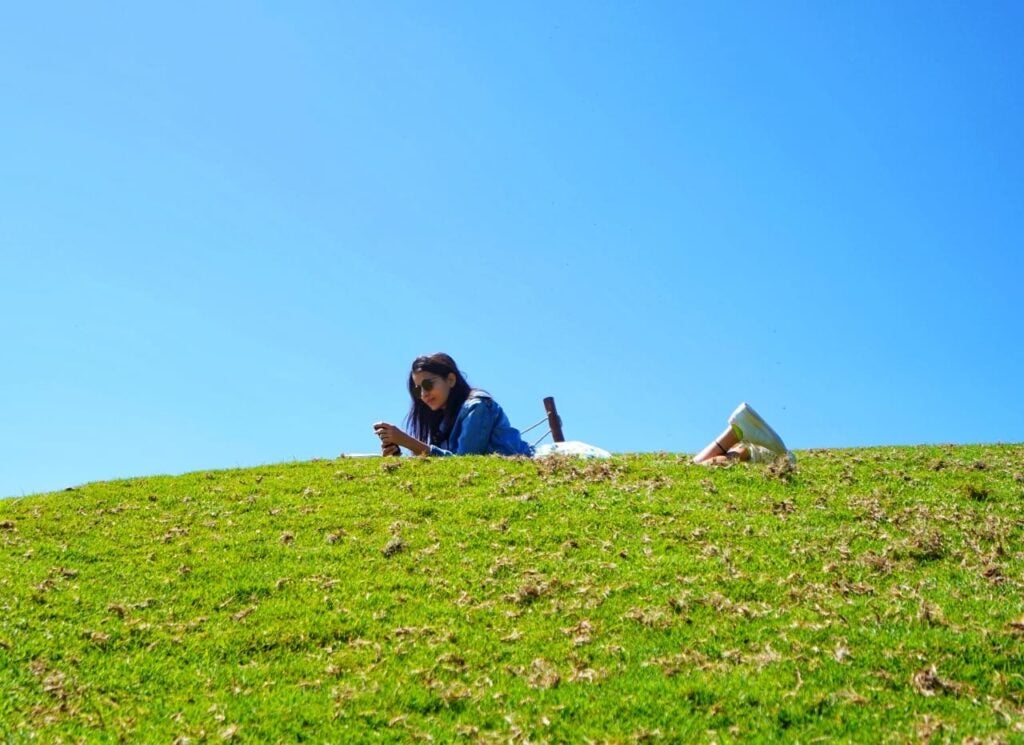
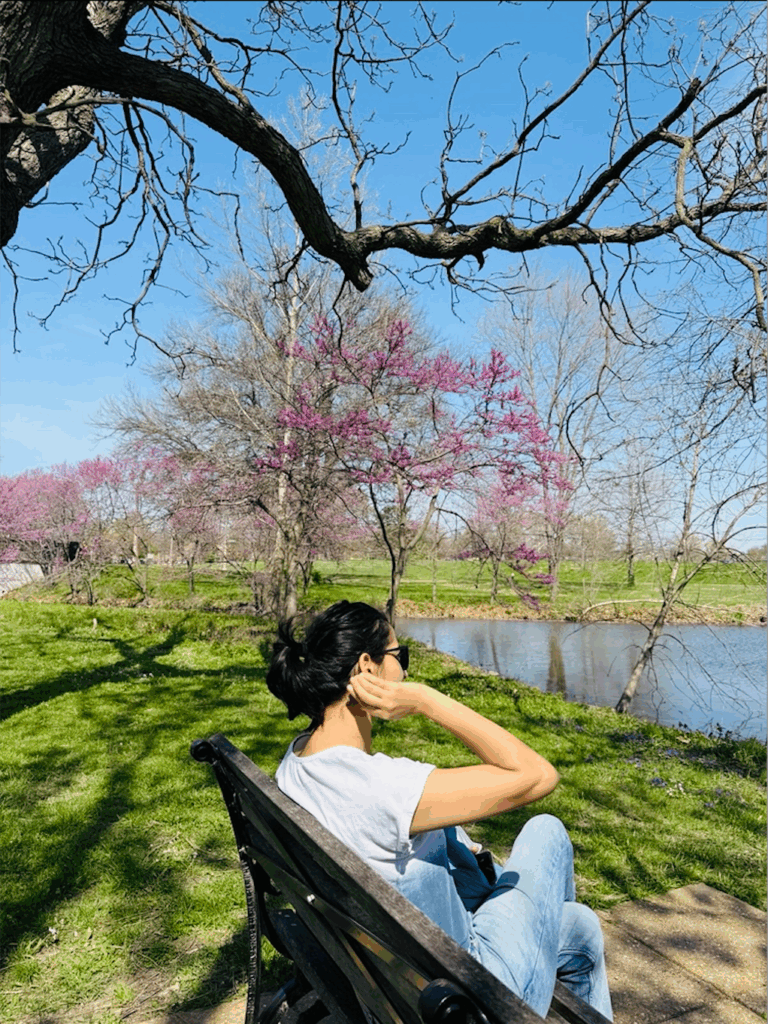
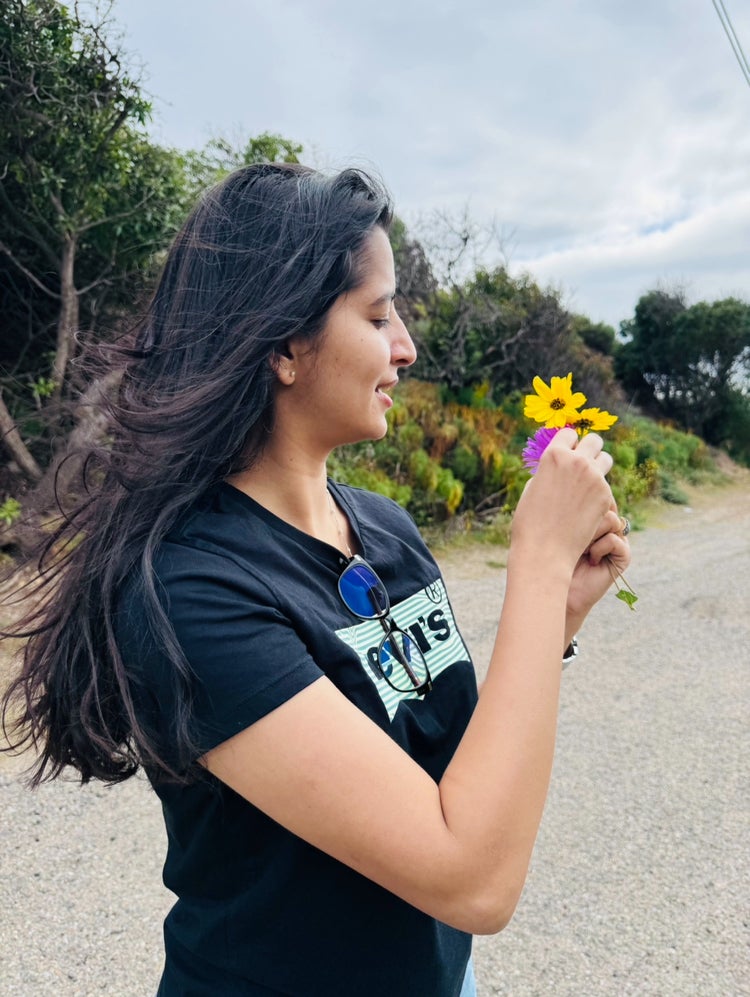
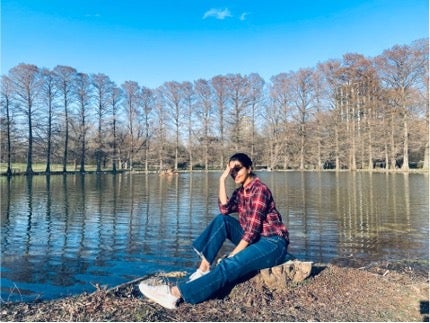
My hobbies tend to evolve depending on where I live. When I was in Taiwan for five years, I really enjoyed going to the beach and doing water activities. It was a great way to unwind. Now that I am in St. Louis, I have grown to love spending time outdoors, especially in Forest Park. On weekends, I will often pack a home-cooked meal and spend time in nature. It has become a nice routine that helps me relax and recharge outside of research and yes, I do make my friends take way too many photos of me while we are out!.
Where did you grow up?
My dad was in the Indian Air Force, so we moved around quite a bit, living in different states across India. That experience exposed me to a variety of cultures, languages, and environments early on, which really helped shape my adaptability and openness to diversity. Even though I have lived in many places, Delhi has been the most consistent base for us and is where my family is currently settled.
When did you decide you want to be a researcher?
I have been fascinated by biology since high school, but it was not until the end of my master’s that I knew I wanted to pursue research as a career. My time at BITS-Pilani in India was a turning point as I was introduced to fields like aging and stem cell biology that really opened my eyes to the kinds of questions research can tackle. I especially loved our molecular biology practicals. Those hands-on experiences sparked my curiosity and made me realize how much I enjoy digging into scientific problems and thinking critically about how to solve them.
What’s your favorite meal to cook or eat?
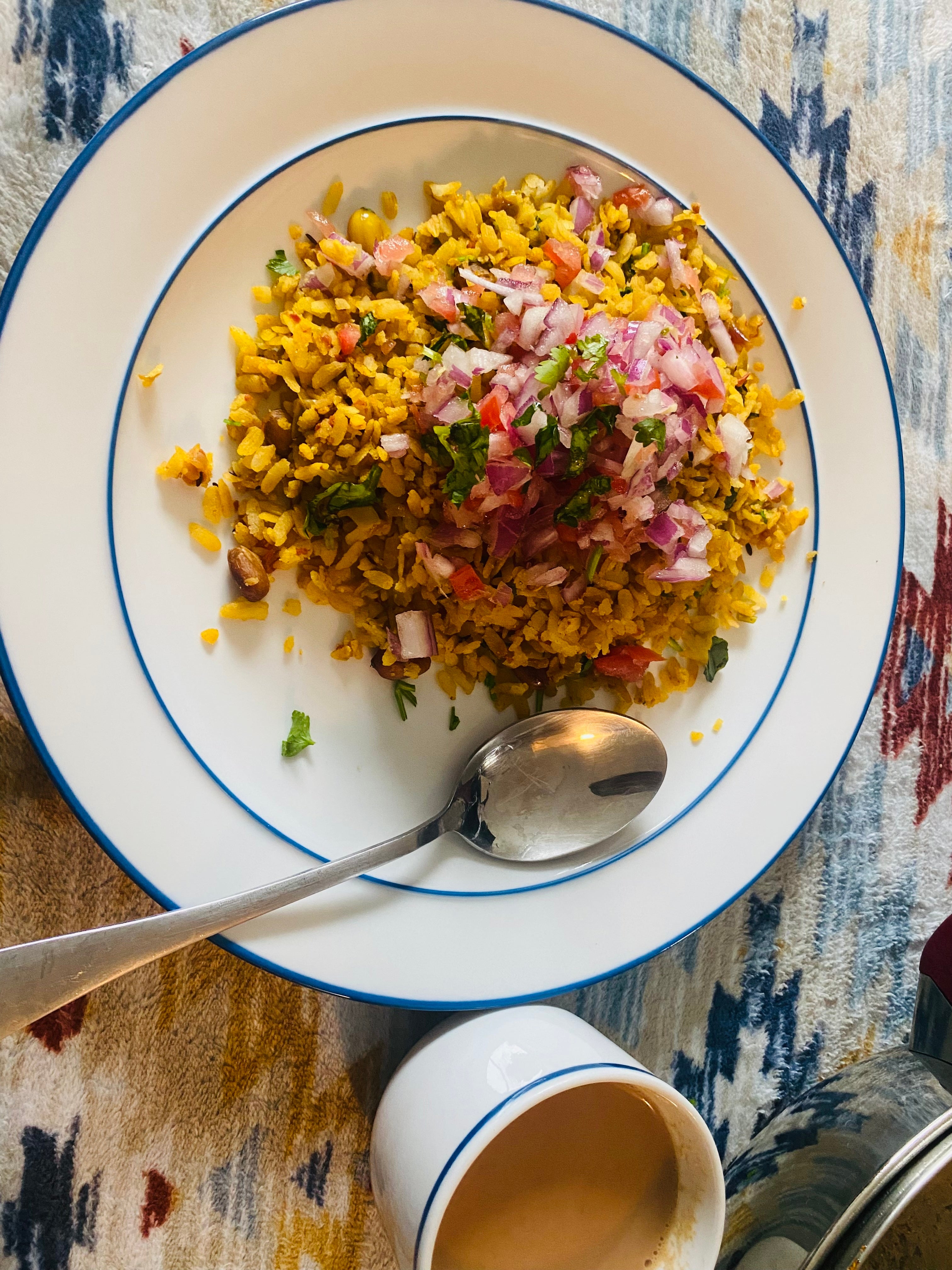
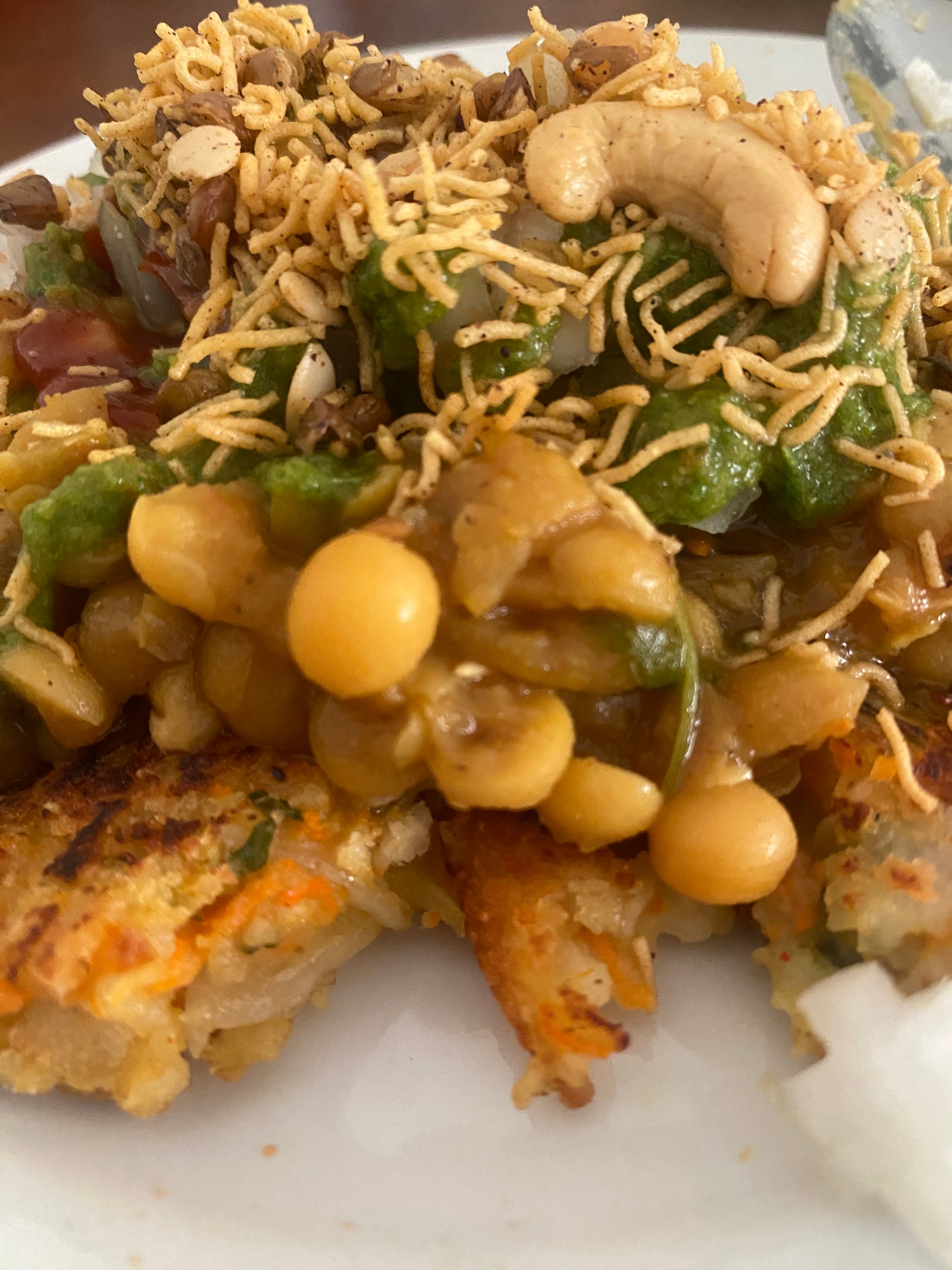
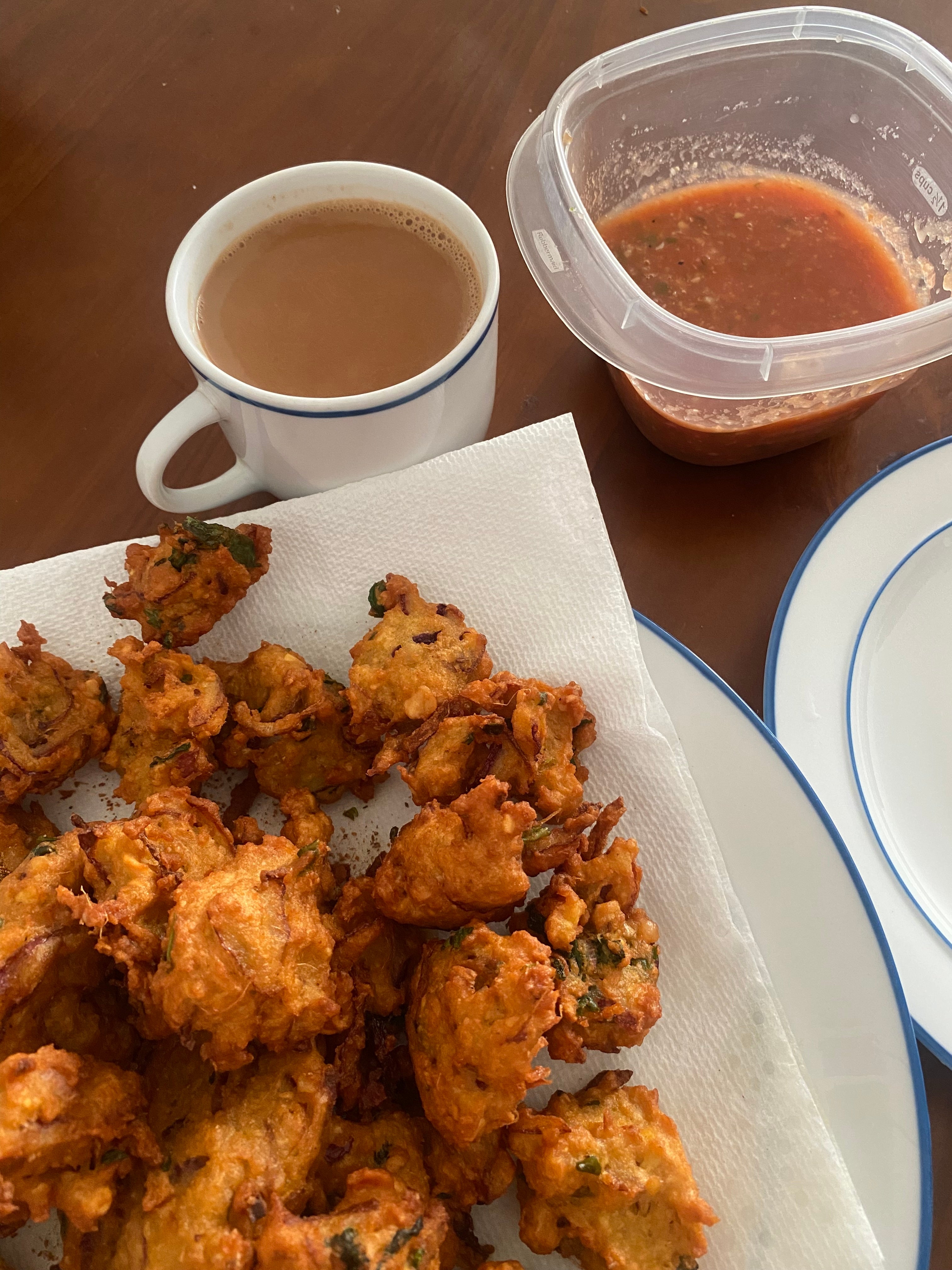
I am quite attached to my Indian palate, so breakfast is an important part of my day especially on Sundays, which feel extra special. I love preparing vibrant, flavorful breakfasts for myself. My go-to comfort meal is poha, a savory flattened rice dish, always paired with a cup of chai; an absolute must for me!

When did you move to St. Louis and how do you like living here?
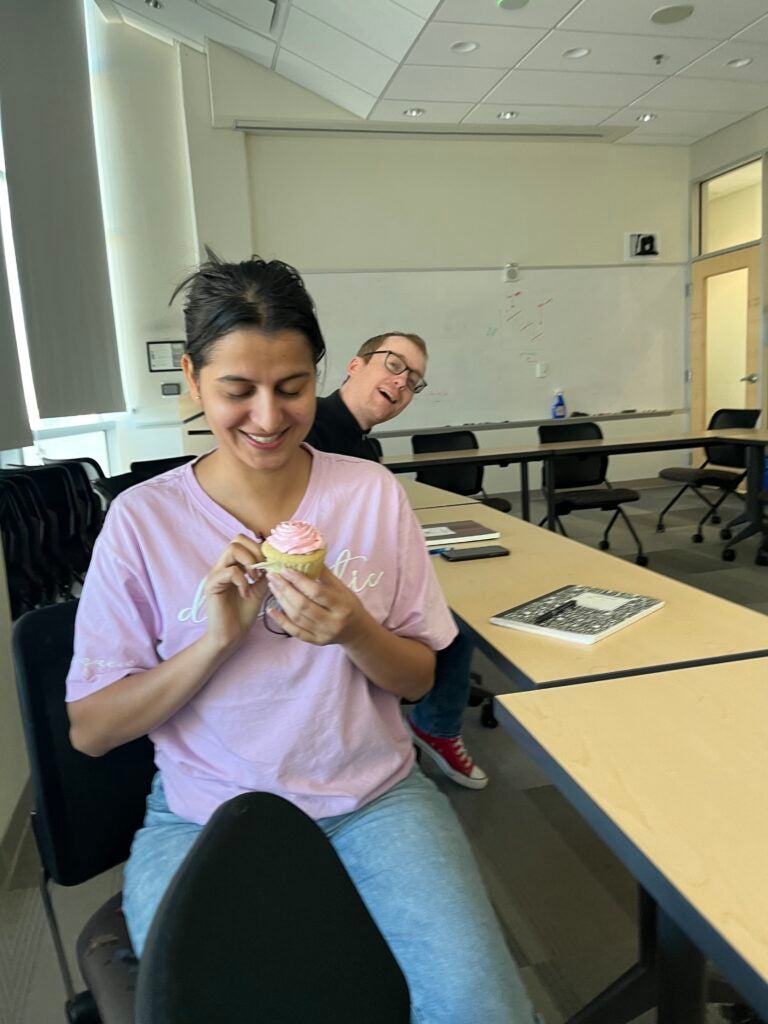
I moved to St. Louis in 2023 to begin my postdoctoral journey. I have really come to enjoy living here, especially because I am part of a supportive and collaborative work environment. I have great colleagues and an incredible mentor, which makes a huge difference. Outside of work, many of my colleagues have also become close friends, so there is a real sense of community that extends beyond the lab. And one of my favorite things about living here is experiencing the seasons; spring and fall in St. Louis are especially beautiful.
What’s your favorite part of being a postdoc?
My favorite part of being a postdoc is working independently and having the space to openly discuss ideas. Of course, in research, it is common for initial ideas not to work out exactly as planned but with a bit of brainstorming, those unexpected outcomes can lead to exciting new insights, and I really enjoy that creative aspect of research.
Being in the Department of Genetics, and especially in Dr. Egervari’s lab, has been an incredible learning experience. I have not only built on my scientific skills, but I have also gained a better understanding of how collaborative research function. Since our lab is relatively new, I often interact with more established labs, which gives me the chance to participate in broader scientific conversations. I am someone who believes in asking questions even if it is a very basic one because that is how I learn and develop a deeper understanding. Overall, I really value the dynamic and collaborative nature of this stage in my career.
What do you want to do after being a postdoc?
I see myself continuing in academia after my postdoc. My goal is to start my own lab one day and create a space where people feel comfortable sharing ideas and asking questions; the kind of inclusive environment that is helping me in my postdoc. I want to keep exploring how different cell types in both the central and peripheral nervous system (neuronal and non-neuronal) are regulated epigenetically, especially in the context of aging and neurodegenerative diseases. I am also really interested in how factors like diet can influence these processes through epigenetic mechanisms. It is a fascinating area of research, and I would love to contribute to work that not only advances our understanding of how diet interacts with our body at the molecular level but could also help slow the progression of disease over time.