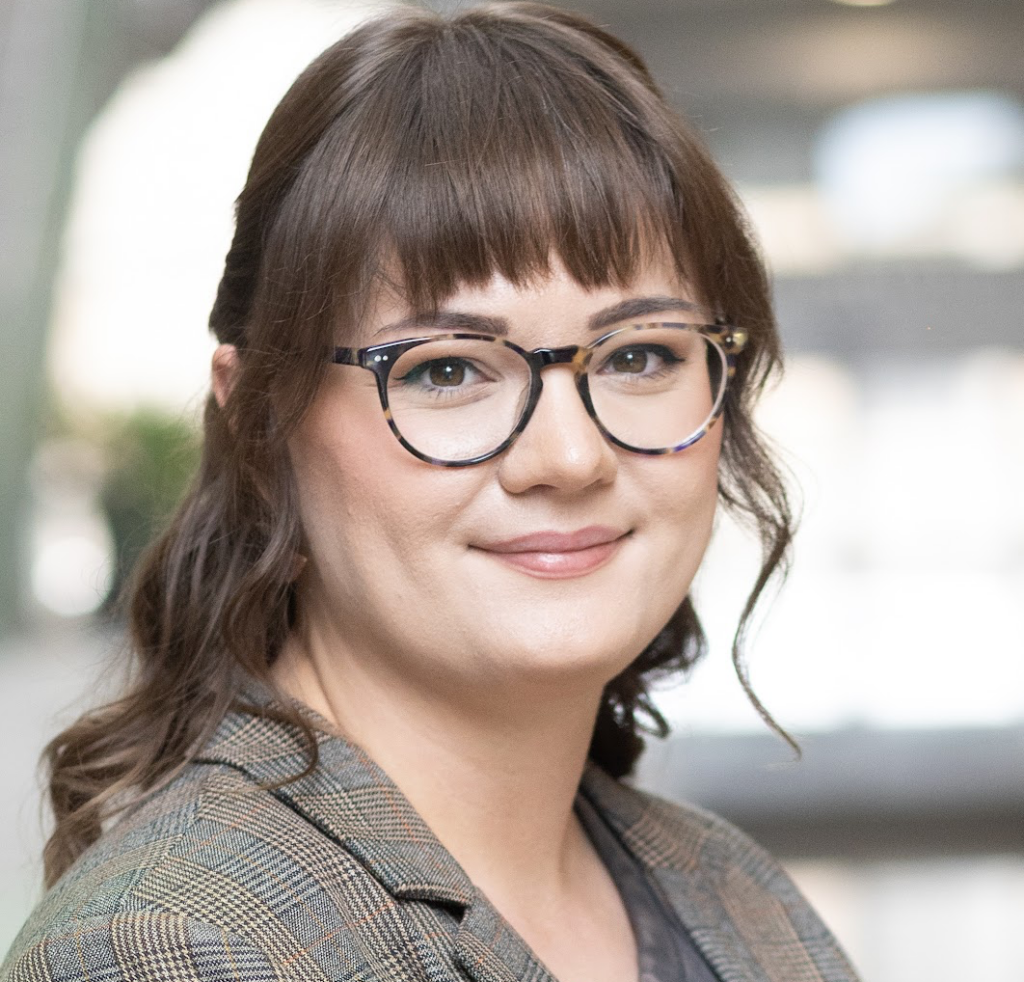
Below we are going to delve into Holly Godin’s background, hobbies and research aspirations.
What are you investigating?
I’m a postdoc in Dr. Mike Meers’ lab, where I study the binding logic of pioneer transcription factors. Pioneer transcription factors are a unique class of transcription factors that can bind closed chromatin by targeting nucleosomes, allowing them to open chromatin and initiate downstream gene regulatory programs. Because of this, they play critical roles in development and cancer.
My research focuses on understanding why and where pioneer transcription factors bind, as their binding is highly context-dependent across cell types and even among individual cells. Predicting these binding patterns is essential for understanding gene regulation and developing therapies that target pioneer factors in cancer.
To address this, I’m developing a single-molecule chromatin profiling assay that maps pioneer factor binding on individual DNA molecules in vivo. While in vitro studies have identified where pioneer factors bind on the nucleosome surface, no current method can determine whether these interactions occur the same way in living cells. By developing this assay, we hope to uncover the mechanisms of pioneer factor–nucleosome interactions and provide insights that could ultimately inform new cancer therapies.
What are possible applications for your research?
From a basic biology perspective, one of the key questions is whether a “nucleosome code” exists. Are nucleosomes positioned randomly across the genome, or is their placement encoded by DNA sequence in a way that influences pioneer transcription factor binding? Understanding whether nucleosome positioning provides information that directs pioneer factor binding would reveal fundamental principles of gene regulation and chromatin organization.
From a disease perspective, this work could help explain how alterations in pioneer factors or chromatin contribute to cancer. For example, mutations in pioneer transcription factors or changes in nucleosome positioning may alter where pioneer factors bind, leading to abnormal gene regulation. Defining these mechanisms could identify new therapeutic opportunities to target these altered interactions and interrupt disease progression.
What are your hobbies outside of research?
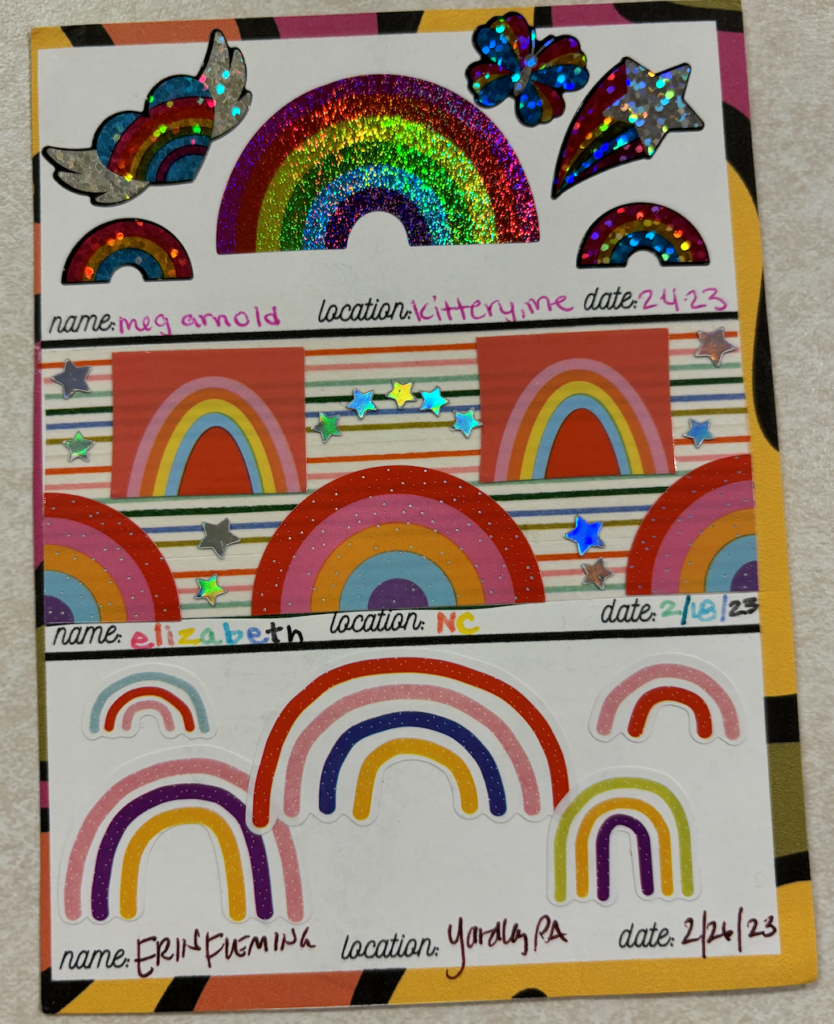
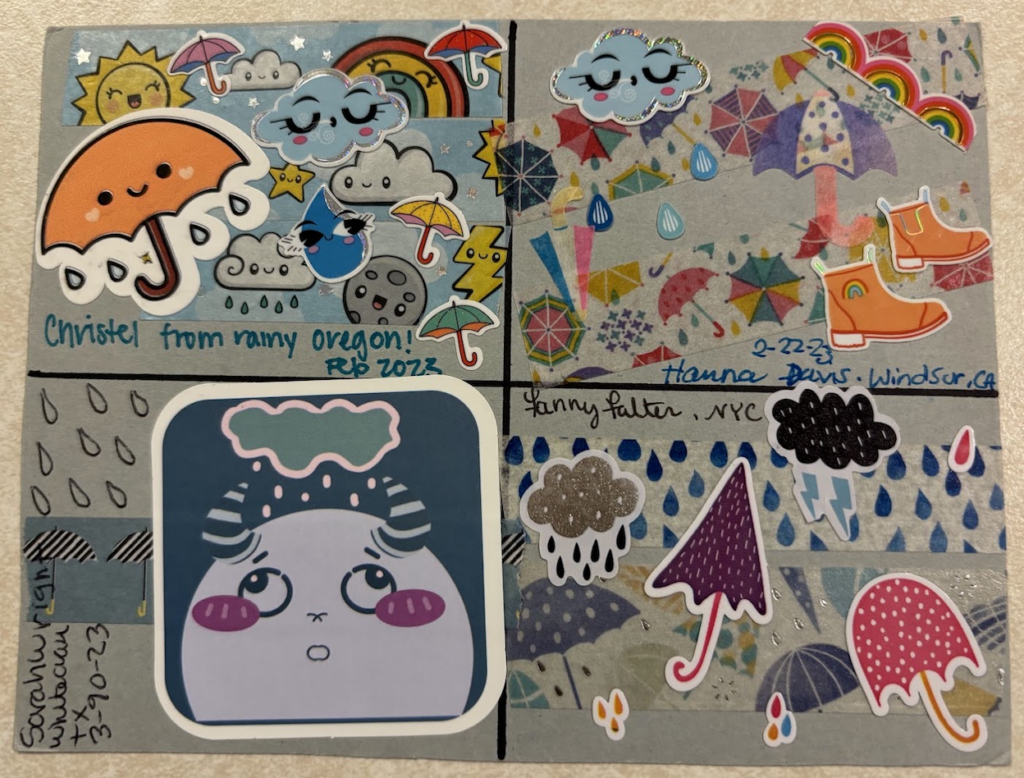
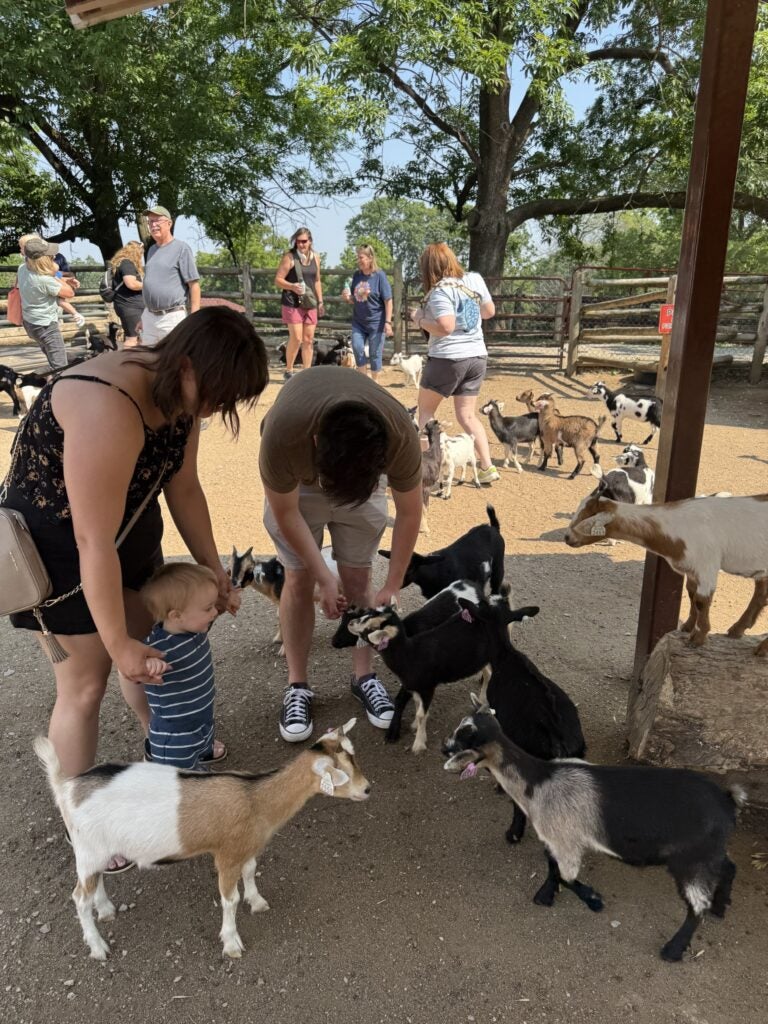
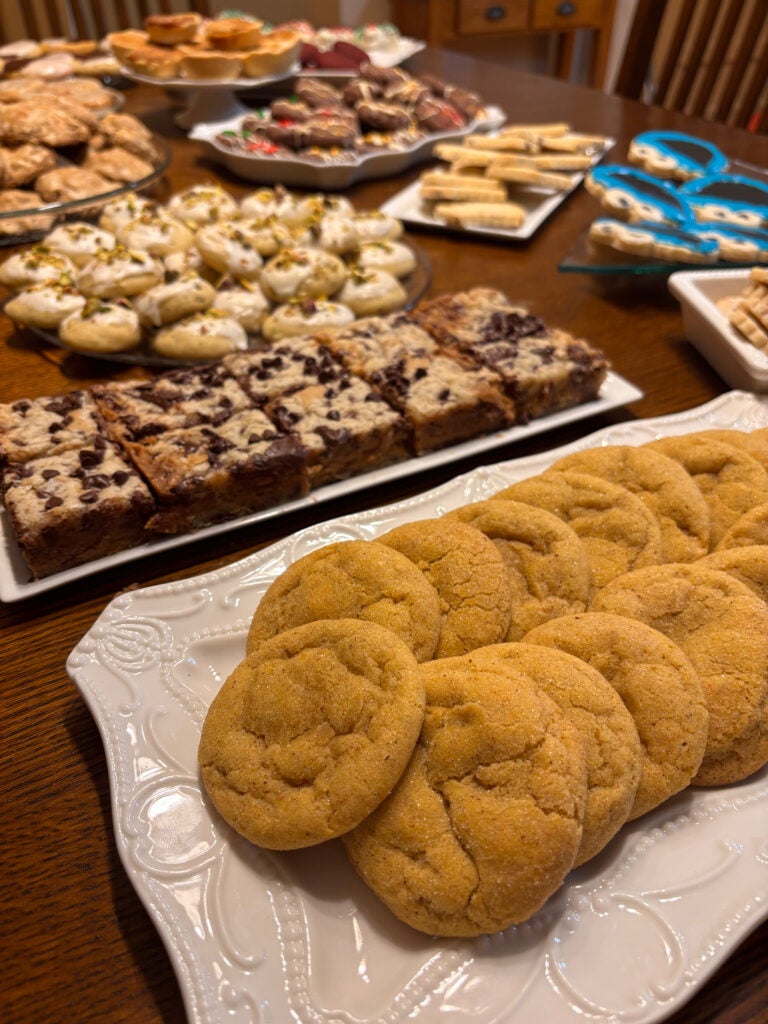
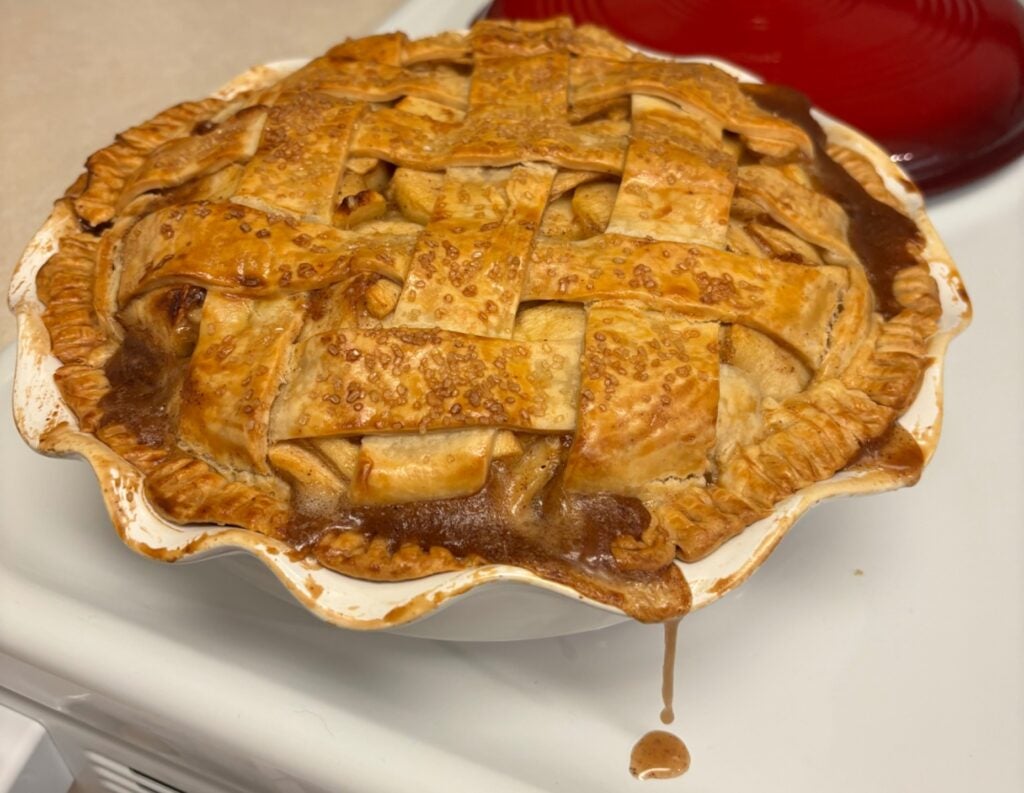
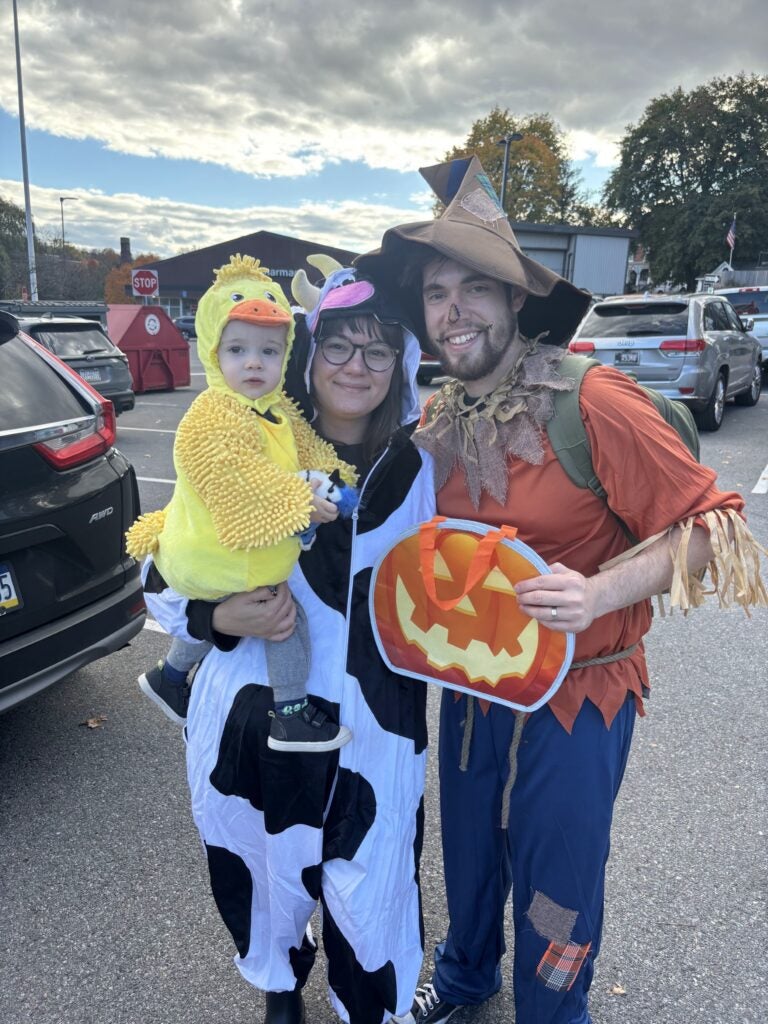
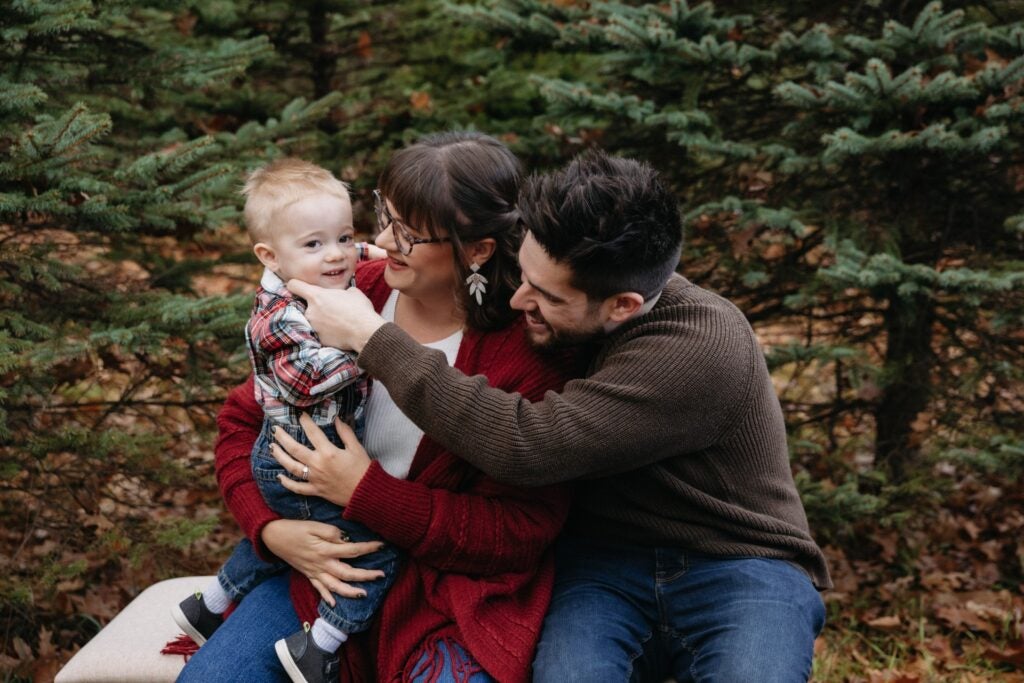
Outside of the lab, I love hobbies like paper crafts, scrapbooking, and making sticker collages. I’m also part of a pen pal community of about 50 women from around the world, where we create and exchange traveling postcards, a hobby that’s both creative and a wonderful way to connect with others. When I’m not crafting, I enjoy baking and exploring St. Louis with my husband and our toddler.
Where did you grow up?
I grew up in St. Louis, in Webster Groves, and earned my bachelor’s degree at Saint Louis University. After spending six years at Penn State completing my PhD, I decided to move back home. I love being in St. Louis and having my family nearby, it has been especially meaningful and helpful now that I have a young child.
When did you decide you want to be a researcher?
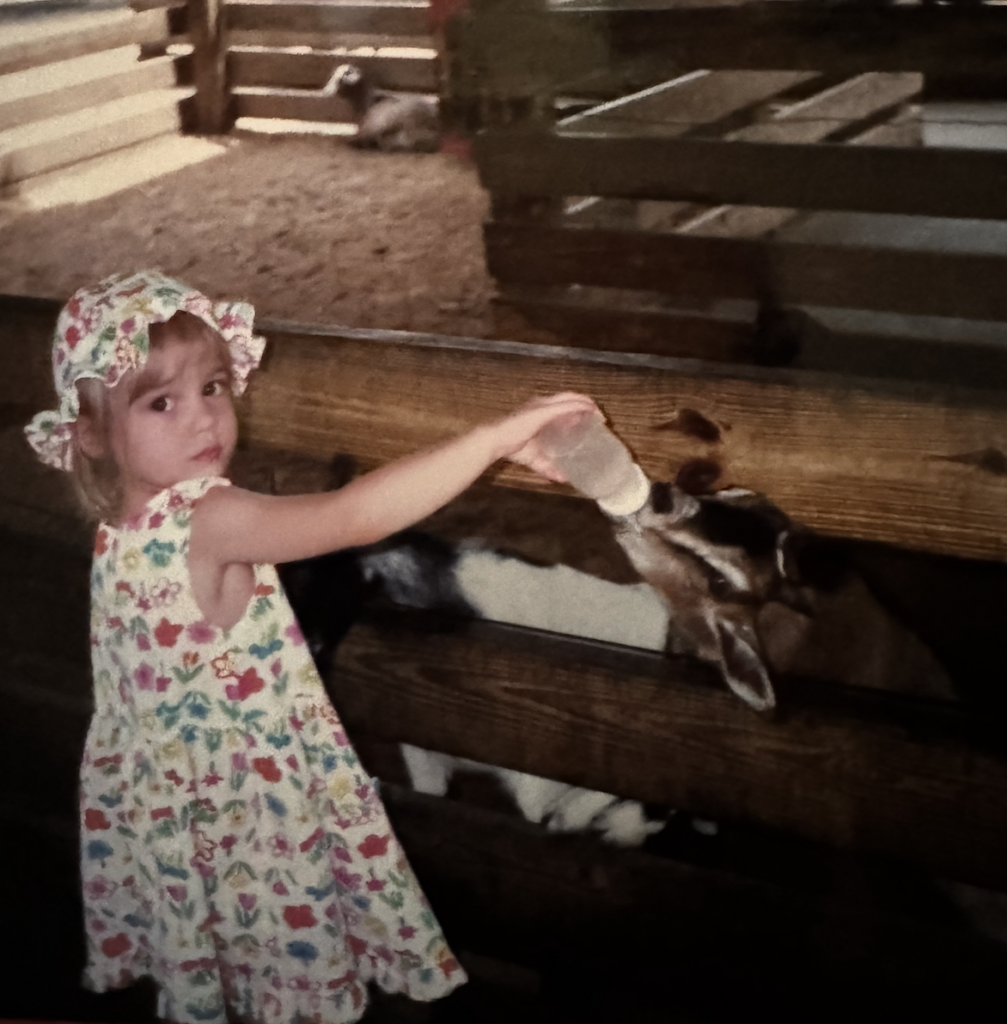
I’ve been interested in science since I was a kid. One of my favorite movies growing up was Jurassic Park, which was also my first introduction to genetics. I was captivated by the idea of using dinosaur DNA preserved in mosquito blood to bring extinct species back to life. As a kid, I loved learning about dinosaurs and watching PBS’s NOVA, which explored scientific questions ranging from genetics to astronomy.
My early interests centered around understanding the origins of life, which led me to pursue a dual degree in environmental science and biochemistry as an undergraduate. When I entered graduate school, I rotated in a genetics lab and discovered my passion for pioneer transcription factors and gene regulation, the field that connected back to the questions about biology and life that had fascinated me from the beginning.
What’s your favorite meal to cook or eat?
My favorite meal to eat is Pho. I love to bake and fall baked goods such as cinnamon rolls and pumpkin bread are my favorite.
When did you move to St. Louis and how do you like living here?
I really enjoyed growing up in St. Louis because there was always so much to explore and do as a kid. And now that I have my own kid, I love that there are so many free family-friendly things to do such as free museums and the zoo. I also love the community aspect of the city. There are so many different neighborhoods that have different pockets of culture. It has the charm and familiarity of a small town while still providing the opportunities and experiences of a larger city.
What’s your favorite part of being a postdoc?
My favorite part of being a postdoc is the independence of it. Unlike being a graduate student when you needed a lot of hands-on help, I was able to jump right in and have the trust in myself to figure out experiments as a postdoc. I love having the freedom to follow my curiosity and shape my own scientific journey each day. It feels exciting to have the opportunity to create my own path and explore new questions through my research.
What do you want to do after being a postdoc?
My long-term goal is to stay in St. Louis and build my career close to my family. I hope to become a tenure-track faculty member, whether at Washington University or Saint Louis University, where I can establish my own research program.
My dream is to lead a lab focused on understanding pioneer transcription factors, particularly through the lens of precision medicine and precision genomics. I want to build on what I’ve learned about gene regulation and pioneer factor biology to uncover how these mechanisms drive disease and ultimately translate these discoveries into new therapeutic strategies for cancer and other disorders.