From deciphering underlying genetic factors of diseases to developing cutting-edge genome technology, our scientists are making impactful discoveries everyday.
Strength in Genetics and Genomics Research
The Department of Genetics has traditional strengths in computational biology and genome science, as well as model organism, evolutionary and human genetics. Recent specialties include neurological disorders, cellular bioenergetics, epigenomics, personalized medicine and genome technology development.
We have established leadership in the following flagship NIH genomic medicine themed projects:
- The Human Pangenome Project (NHGRI)
- The Impact of Genetic Variation on Function (NHGRI)
- The Long Life Family Study (NIA)
- Somatic Mosaicism across Human Tissues (NIH Common Fund)
- Multi-Omics for Health and Disease (NHGRI, NCI, NIEHS)
- The BRAIN (The Brain Research through Advancing Innovative Neurotechnologies) Initiative Cell Atlas Network (NIMH)
Within the close-knit research community of Washington University School of Medicine, our scientists are supported by a strong foundation. School of Medicine Facts & Figures
| #2 NIH Funding (2024) | $683 Million Research Funding 2024 | 19 Nobel Laureates |
Latest News
An inducible genetic tool developed by the Li lab to study microglial states
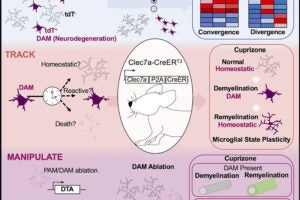
A recent study published in Immunity by the Li lab opens a new chapter for the study of microglial function in development and neurodegeneration with remarkable precision.
Recorded Sessions of the Gary D. Stormo Symposium on Computational Biology

The Department of Genetics successfully hosted the Gary D. Stormo Symposium on Computational Biology on May 21, 2024! This event celebrated Dr. Gary D. Stormo and his achievements as a pioneer in computational biology, as well as his legacy as an inspiring mentor and educator. We had 11 renowned speakers who spoke on Dr. Stormo’s […]
Genetics faculty recognized for their 2023 patents (Links to an external site)

Every year the Office of Technology Management recognizes the previous year’s United States Patent and Trademark Office patent awardees. Genetics faculty Dr. Robi Mitra and Dr. Jeffrey Milbrandt were recognized for their 2023 patents and were awarded custom patent cubes.