Items

Dougherty Lab
Genetics and genomics of behavior in health and disease
Dutcher Lab
Assembly and function of basal bodies/centrioles and cilia
PI: Susan Dutcher, PhD
The Dutcher Lab studies the assembly and function of basal bodies/centrioles and cilia using genetics, biochemistry, microscopy, and computational biology. Motile cilia play roles in moving cells and fluids. Sensory cilia play essential roles in monitoring the environment. Chlamydmonas uses its flagella (or cilia) in both ways. To build cilia, one needs to have functional basal bodies.
Egervari Lab
Epigenetics and substance use disorders (SUDs)
PI: Gabor Egervari, MD, PhD
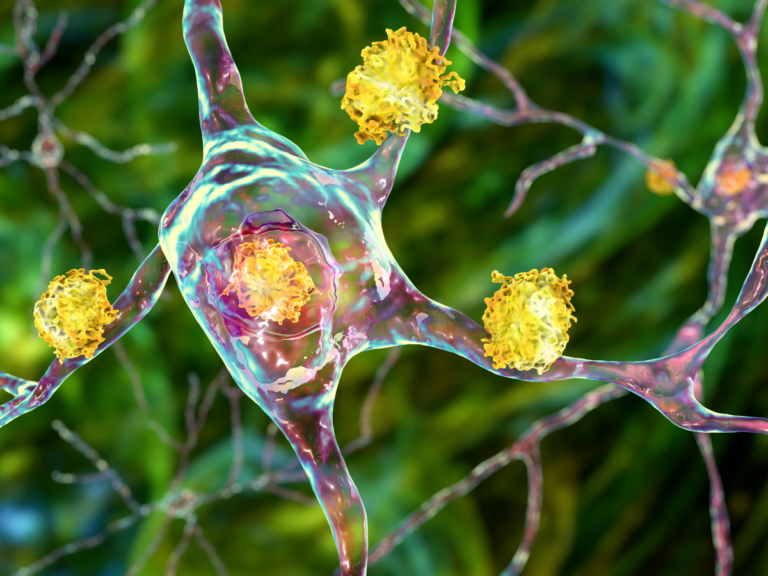
Our laboratory explores the role of metabolic-epigenetic interactions in the healthy and diseased brain, with particular emphasis on substance use disorders and neurodegeneration.
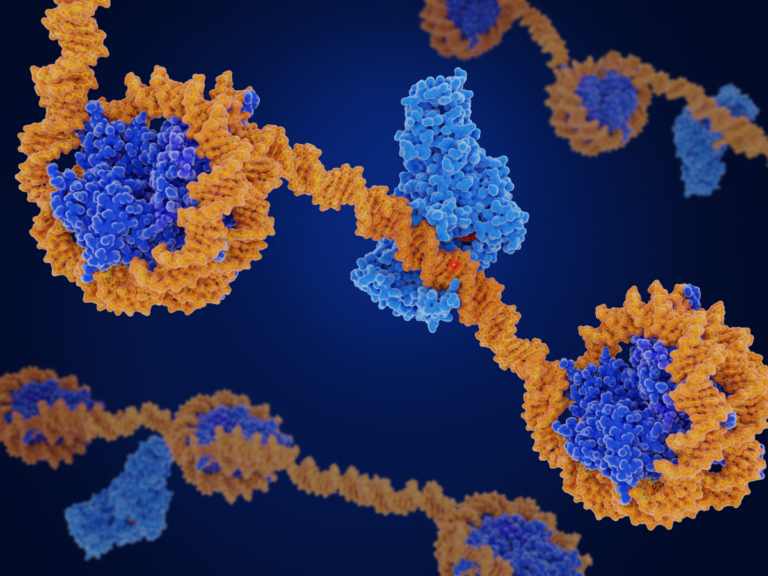


Gary D. Stormo Computational & Systems Biology Lecture
Stormo Lecture
The Gary D. Stormo Computational & Systems Biology Lectureship was established by the Department of Genetics in 2024, in honor of Dr. Gary D. Stormo, a pioneer in bioinformatics with 24 years of professorship at Washington University School of Medicine.

Jin Lab
Computational functional genomics
PI: Sheng Chih (Peter) Jin, PhD
Our mission is to provide meaningful and interpretable insight into disease biology, and define new targets for risk determination, prevention, and therapy. We are currently focusing on the formation, development, and application of human genetic, functional genomic, and bioinformatic methods to better analyze and integrate genome sequencing, single-cell RNA-sequencing, epigenomic, spatial genomic, and proteomic data. Through integration of diverse type of omics data and epigenetic functional annotations, the integrative genomic analysis will provide a better understanding of the molecular basis of cardiovascular diseases and neurological disorders. Following integrative genomic analyses, we use zebrafish and massively parallel reporter assays to precisely model human mutations.
Lawson Lab
Genetics and genomics
PI: Heather A Lawson, PhD
The Lawson Lab addresses important questions about the genotype – phenotype relationship that must be answered to understand variation in metabolic traits. Specifically: Are particular metabolic traits more genetically or epigenetically controlled? How does diet affect the relative contribution of genetics or epigenetics? Do differences in genetic and epigenetic modes of regulation result in discordance among metabolic traits?